
If you are taking Ozempic, Wegovy, or a similar GLP-1 medication, 2026 is not a quiet year. From triple-hormone drugs, Medicare changes, and compounded versions, the rules around access and cost are shifting quickly. Here is what is actually changing and what it could mean for you personally.
1. Medicare Coverage Changes
Starting in July 2026, CMS is expected to roll out a temporary program called the “Medicare GLP-1 Bridge.” For the first time, some Medicare beneficiaries may be able to receive coverage for weight loss medications like Wegovy and Zepbound.
Qualified beneficiaries may have copay options starting at around $50 per month. Beneficiaries will need either a Medicare Part D plan or a Medicare Advantage plan with prescription drug coverage. Their healthcare provider must submit a prior authorization request.
2. Oral GLP-1 Medications
Initially, GLP-1 medications were only available as injections. However, oral options like Foundayo (orforglipron) are now becoming available. Before this, Rybelsus was already available in tablet form.
Wegovy is FDA-approved for adults with obesity or overweight adults with at least one weight-related condition. Oral GLP-1 medications may be a good option for people who prefer not to use injections. However, absorption may differ compared to injectable GLP-1 medications.
3. Strict Rules on Compounded Medications
On April 30, 2026, the FDA proposed excluding semaglutide, tirzepatide, and liraglutide from the 503B Bulks List.
This is because the FDA had received more than 455 adverse event reports linked to compounded semaglutide. More than 320 linked to compounded tirzepatide by early 2025. Many involve dosing errors from patients self-administering medications from multi-dose vials.
If finalized, this could shut down the last remaining pathway for industrial-scale compounding of these drugs, regardless of future shortage conditions.
If you are currently using a compounded version, ask your prescriber whether the pharmacy is 503A-compliant and operating with a valid patient-specific prescription.
4. New Uses Beyond Weight Loss
Approved uses for GLP-1 medications are expanding beyond weight loss. Wegovy is approved for cardiovascular risk reduction. Zepbound for obstructive sleep apnea, and Ozempic for slowing chronic kidney disease progression in people with type 2 diabetes.
Additionally, researchers are exploring new indications, including neurodegenerative disorders, substance use disorders, and arthritis. An expanded indication is not just a scientific milestone; it may also change your insurance eligibility.
5. Triple-Hormone GLP-1 Drugs
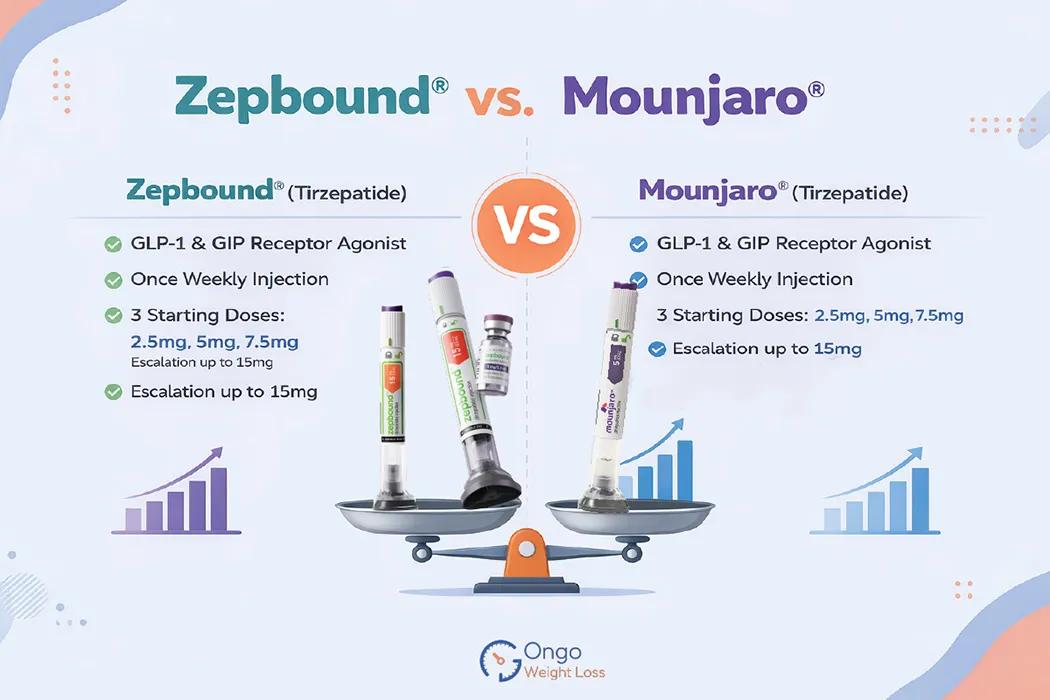
Ozempic and Wegovy target one hormone pathway, while Mounjaro and Zepbound target two hormone pathways. A third-generation medication called Retatrutide is now in late-stage clinical trials. This drug activates three receptors: GLP-1, GIP, and glucagon.
Patients should understand that Retatrutide is not yet FDA-approved and is not currently available through standard prescription channels. Any source currently selling it directly to consumers as a weight loss treatment is operating outside the approved regulatory framework.
Conclusion
Your medication may stay the same, but the healthcare landscape is changing rapidly. The best thing you can do right now is speak directly with your licensed doctor or a trusted provider like Ongo Weight Loss.
Do not assume your current coverage, costs, or medication access will remain the same in six months. GLP-1 medications are no longer just prescriptions. Staying informed is now an important part of managing your healthcare.



Write a comment ...